Daniel Ek and Spotify: Rewriting the Music Industry

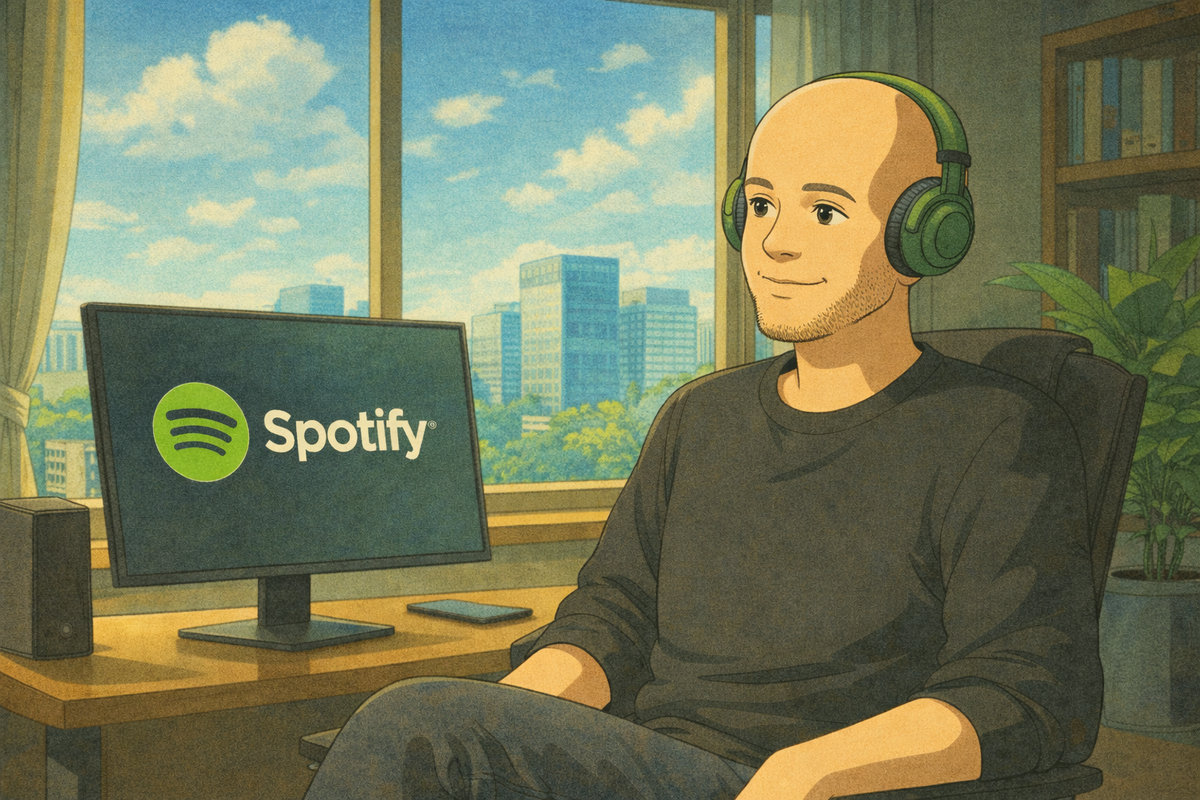
In the early 2000s, music piracy was destroying the industry. Artists were losing income, listeners wanted convenience, and record labels were stuck in old models. Daniel Ek, a young tech entrepreneur from Sweden, believed there was a better way. His idea was bold. Make music free, legal, and easy to access, while still paying artists fairly.
In 2006, Daniel co founded Spotify with Martin Lorentzon. The vision was simple but risky. Instead of forcing users to buy songs, Spotify introduced streaming. Millions of tracks, instantly available, supported by ads or a paid subscription. At the time, many labels doubted the model. Some even called it impossible.
Spotify focused obsessively on user experience. Fast loading, clean design, and personalised playlists made music discovery effortless. Features like Discover Weekly changed how people found new artists, using data and algorithms to understand listening habits better than ever before.
The journey was not smooth. Spotify faced intense pressure from record labels, competitors like Apple Music, and questions about artist payouts. Yet Daniel Ek stayed focused on the long term. He believed that scale and data would eventually create value for both listeners and creators.
Over time, Spotify expanded into podcasts, exclusive content, and creator tools, transforming itself from a music app into a global audio platform. Today, Spotify serves hundreds of millions of users worldwide and has reshaped how the world listens.
Daniel Ek’s story shows that real disruption comes from aligning technology with human behaviour. By solving piracy with convenience instead of punishment, Spotify didn’t just save an industry. It reinvented it.
LuwakTech’s sharp insights and inspiring startup stories ignite passion, spark ideas, and empower the upcoming bunch of entrepreneurs to chase their dreams.